Thermal Contraction and Expansion 101: What It Means for Sealing Performance
Temperature is one of the most easily overlooked variables in sealing performance, yet it is often the root cause behind premature failures, leaks, and unplanned downtime. In real-world applications, seals are rarely operating at a steady temperature. Instead, they experience constant fluctuations, whether from startup and shutdown cycles, process variations, or environmental exposure. Understanding how materials respond to these changes is essential to designing a seal that performs reliably over time.
How Seals Change From Temperature
At its core, thermal expansion and contraction refer to how materials change in size as temperature rises or falls. When temperatures increase, most materials expand. When temperatures drop, they contract. While this seems straightforward, the challenge arises because different materials expand and contract at different rates. In a sealing system, where tight tolerances and precise fits are critical, even small dimensional changes can have significant consequences.
Material Differences
Sealing materials each have their own thermal behavior. Elastomers such as NBR, FKM, and EPDM tend to have relatively high coefficients of thermal expansion. This means they expand and contract more noticeably with temperature changes. While their flexibility allows them to maintain contact in many conditions, extreme cold can cause them to harden and lose elasticity, while high heat can lead to softening, swelling, or even degradation.
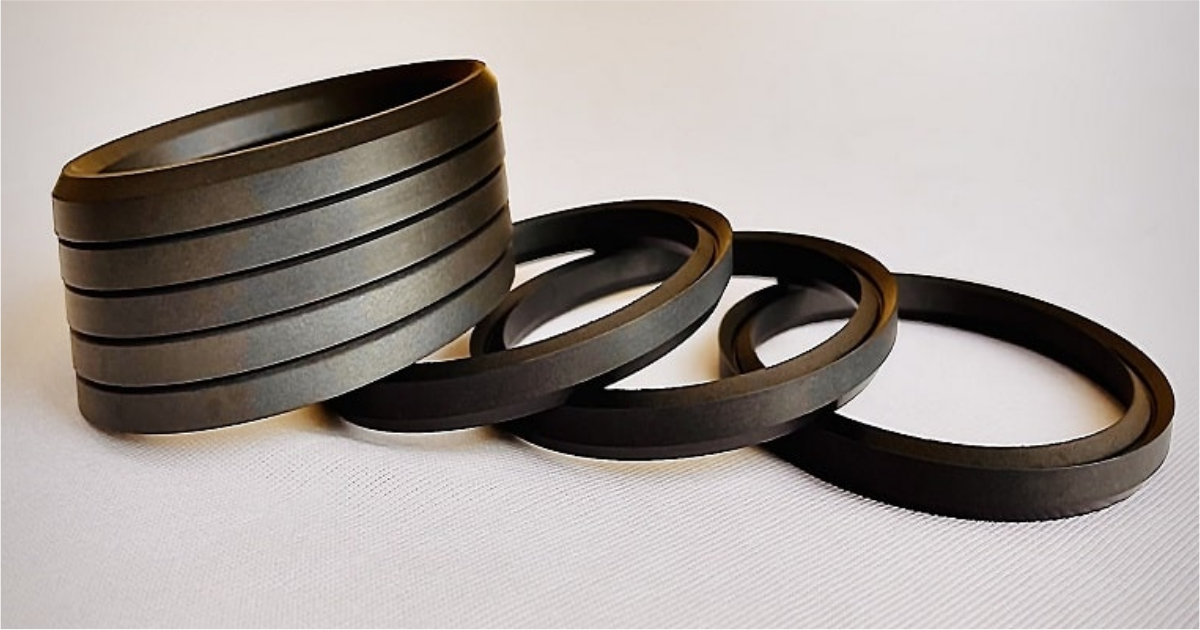
Thermoplastics such as PTFE behave differently. PTFE offers excellent chemical resistance and performs well across a broad temperature range, but it also exhibits significant thermal expansion compared to metals. This can lead to dimensional instability if not properly accounted for in the design. At low temperatures, PTFE can become less compliant, which may reduce its ability to maintain a tight seal under dynamic conditions.
Metal components, including springs and housings, typically have much lower thermal expansion rates than polymers. While this provides structural stability, it can also create mismatches within the sealing system. When a polymer seal expands more than its metal counterpart, it may experience excessive compression, leading to increased wear or deformation. Conversely, during contraction, gaps can form between components, opening the door to leakage.
The Risks of Thermal Changes
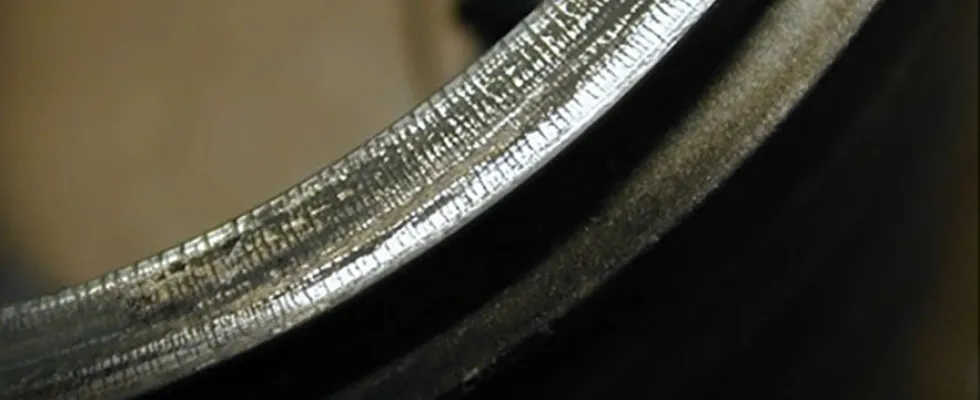
These mismatches are where problems begin. As materials expand and contract at different rates, the sealing interface can be compromised. Compression set becomes a concern when materials lose their ability to rebound after being compressed at elevated temperatures. Shrinkage at low temperatures can reduce sealing force, allowing fluid or gas to escape. Over time, repeated thermal cycling accelerates wear and fatigue, further increasing the risk of failure.
Leak paths typically develop in predictable ways when thermal effects are not properly managed. These include:
- Loss of interference fit due to material shrinkage in cold conditions
- Over-compression and extrusion caused by excessive expansion at high temperatures
- Micro-gaps forming between sealing surfaces during thermal cycling
- Material hardening or softening that reduces effective sealing force
In critical applications such as LNG processing, oil and gas operations, and chemical handling, these issues can lead to safety risks, environmental concerns, and costly downtime.
How GFS Combats Thermal Changes
At Gallagher Fluid Seals, thermal performance is never treated as an afterthought; it is a core design consideration from the very beginning of the engineering process. Every application has a unique temperature profile, and understanding that profile is key to selecting the right materials and designing the right geometry.
We start by evaluating the full operating range, including both steady-state and transient conditions. This includes minimum and maximum temperatures, rate of change, and frequency of thermal cycling. From there, we select materials that not only withstand the temperature extremes but also maintain their mechanical properties throughout the cycle.
Seal Design
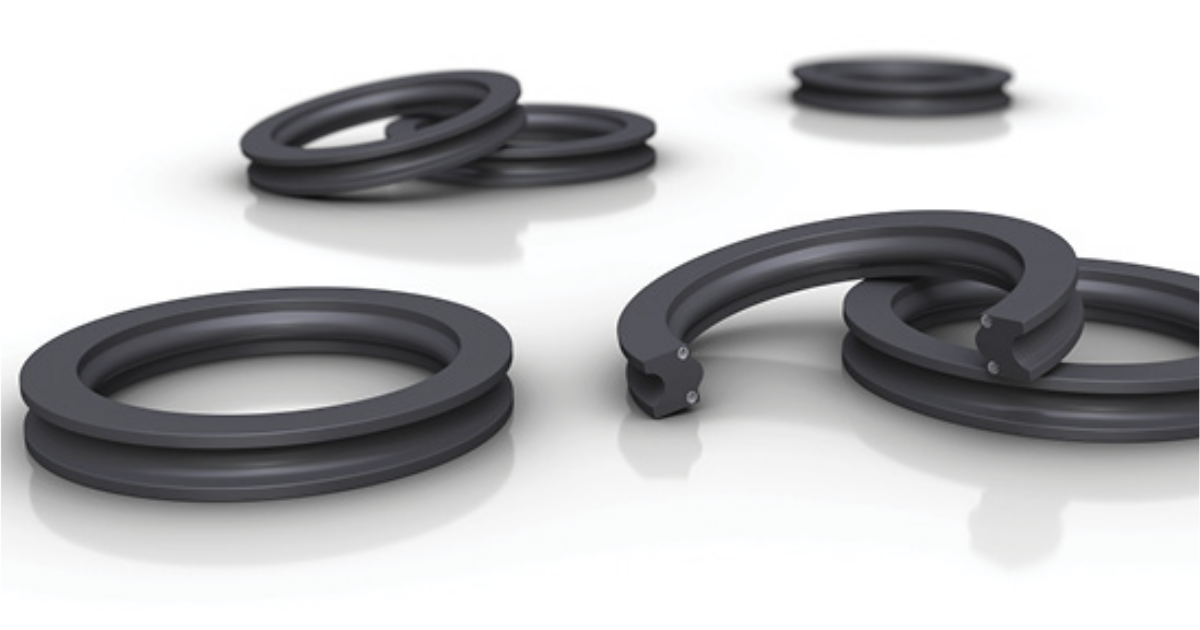
Material selection is only part of the solution. Seal design plays an equally important role. Our spring-energized seals, for example, are engineered to maintain consistent sealing force even as materials expand and contract. By incorporating precision-engineered spring elements, we can compensate for dimensional changes and ensure continuous contact at the sealing interface.
Because we manufacture in-house, we have complete control over both material quality and production tolerances. This allows us to fine-tune designs to match specific application requirements rather than relying on off-the-shelf solutions. Tight tolerances reduce the likelihood of leak paths forming, while custom geometries account for thermal expansion differences between mating components.
Turnaround time also matters. When a seal fails due to thermal issues, waiting weeks for a replacement is not an option. Our ability to respond quickly with engineered solutions helps minimize downtime and keeps operations running smoothly.
Final Thoughts
The difference between a seal that performs and one that fails often comes down to how well thermal effects are understood and addressed. Generic solutions may work under ideal conditions, but real-world applications demand a higher level of precision and reliability.
Gallagher Fluid Seals delivers that precision. By combining application-specific engineering, high-performance materials, and in-house manufacturing capabilities, we provide sealing solutions that are built to handle the realities of thermal expansion and contraction. If your operation is dealing with temperature extremes, frequent cycling, or unexplained leaks, it is time to move beyond standard seals and invest in a solution designed for your exact conditions.
When performance matters, you need a partner who understands the details that make the difference. Contact us today to get started.