PTFE
- March 10, 2016
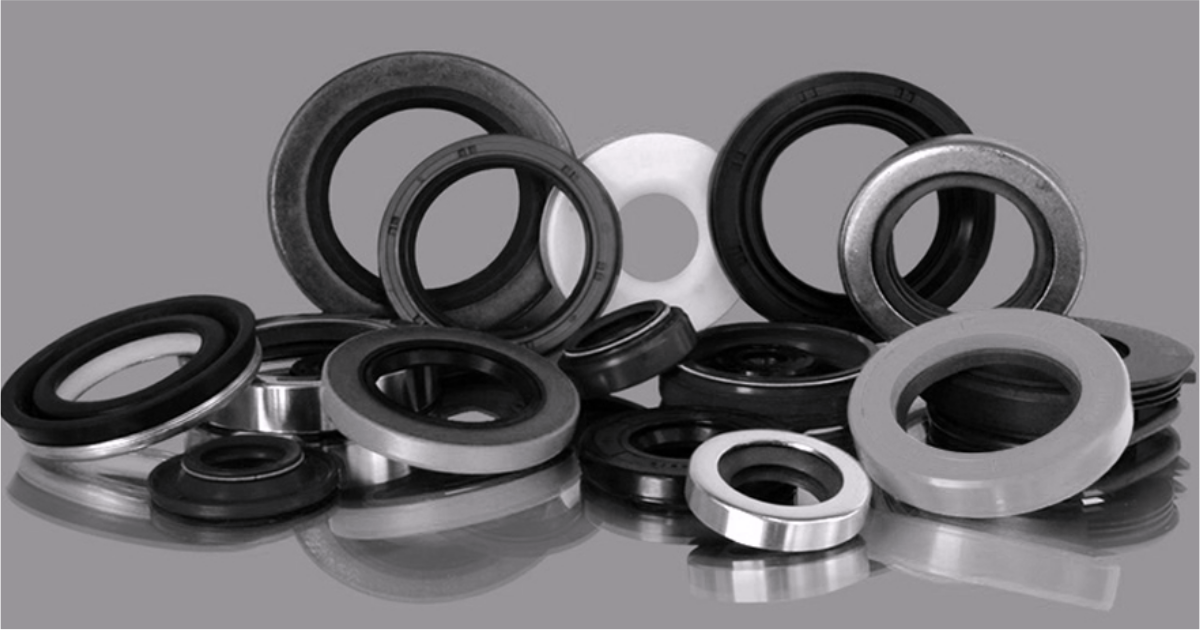
Over the past few weeks, we’ve gone into a lot of detail about how PTFE rotary lip seals work.
Today we’ll offer up a short glossary of some of the terms used when discussing these seals. We'll also break down some of the factors affecting PTFE rotary lip seal design.
- February 23, 2016
Over the past few weeks, we’ve been discussing the basics of PTFE rotary seals. In today’s entry, we’ll take a look at PTFE radial lip seal design principles.
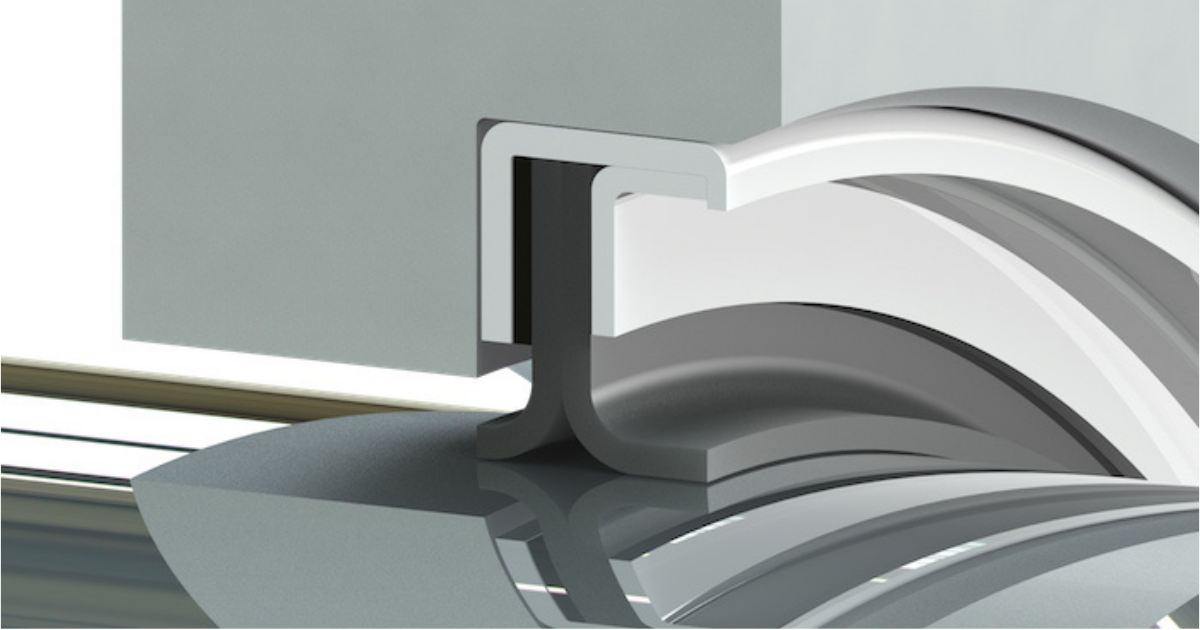
PTFE radial lip seals generally incorporate a uniformly thin element cross section, made to compensate for the high flexural modulus of PTFE, especially in cases of severe shaft run-out. The thin sections also minimize thermal expansion and compressive “creep” and their effects on maintaining a controlled contact pattern on the shaft surface.
Most PTFE seal constructions have the “body” portion of the element clamped between the two metal cases. To maintain proper retention pressure on the element, a thin element keeps compression set and “creep” at a minimum.