What Really Matters in Manufacturing Cased Metal Lip Seals and Spring-Energized PTFE Seals
High-performance sealing solutions are rarely defined by geometry alone. In demanding environments with high pressure, extreme temperatures, aggressive media, or tight leakage requirements the success of a seal is determined just as much by how it is manufactured as by how it is designed. This is especially true for canned metal lip seals and spring-energized PTFE seals, where tolerances are unforgiving and material behavior leaves little room for error.
While these two seal types differ significantly in construction and application, they share a common reality: manufacturing discipline directly impacts performance, reliability, and service life. Understanding the considerations involved in producing these seals is critical for engineers and manufacturers alike.
Cased Metal Lip Seals: Precision at Every Step
Cased metal lip seals rely on thin metallic jackets formed around a softer core or spring element to create a robust, pressure-capable sealing solution. Their performance is inseparable from the integrity of that metal “case,” which must be formed with extreme consistency.
One of the primary challenges in manufacturing canned metal lip seals is controlling material thickness and uniformity. The metal jacket must be thin enough to conform under load, yet strong enough to resist tearing, work hardening, or fatigue over time. Even small variations in thickness can lead to uneven load distribution at the sealing interface, increasing wear or creating leak paths.
Forming processes themselves introduce additional considerations. Deep drawing, roll forming, or progressive stamping must be carefully controlled to avoid microcracking, thinning at corners, or residual stresses that may not be apparent at room temperature but become critical in service. This is particularly important in applications involving thermal cycling or cryogenic conditions, where differential contraction can amplify any latent weaknesses in the metal.

Joining and closure methods also demand attention. Seam integrity, weld consistency, and closure geometry all affect the seal’s ability to maintain internal preload and resist pressure extrusion. Poorly executed seams may pass initial inspection yet fail prematurely under pressure or vibration.
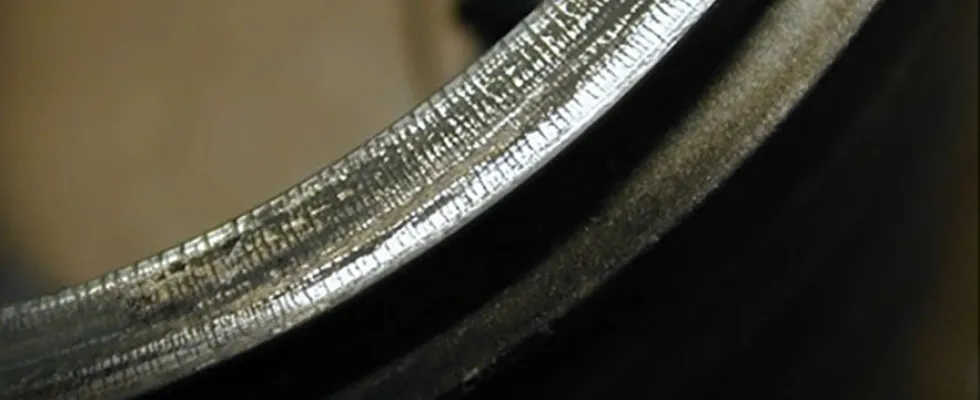
Finally, surface finish and edge quality are essential. Burrs, sharp edges, or inconsistent radii can damage mating hardware during installation or concentrate stresses in ways that shorten seal life. Achieving repeatable, high-quality finishes requires both capable equipment and experienced operators who understand how small deviations translate into real-world failures.
Spring-Energized PTFE Seals: Managing Material Behavior
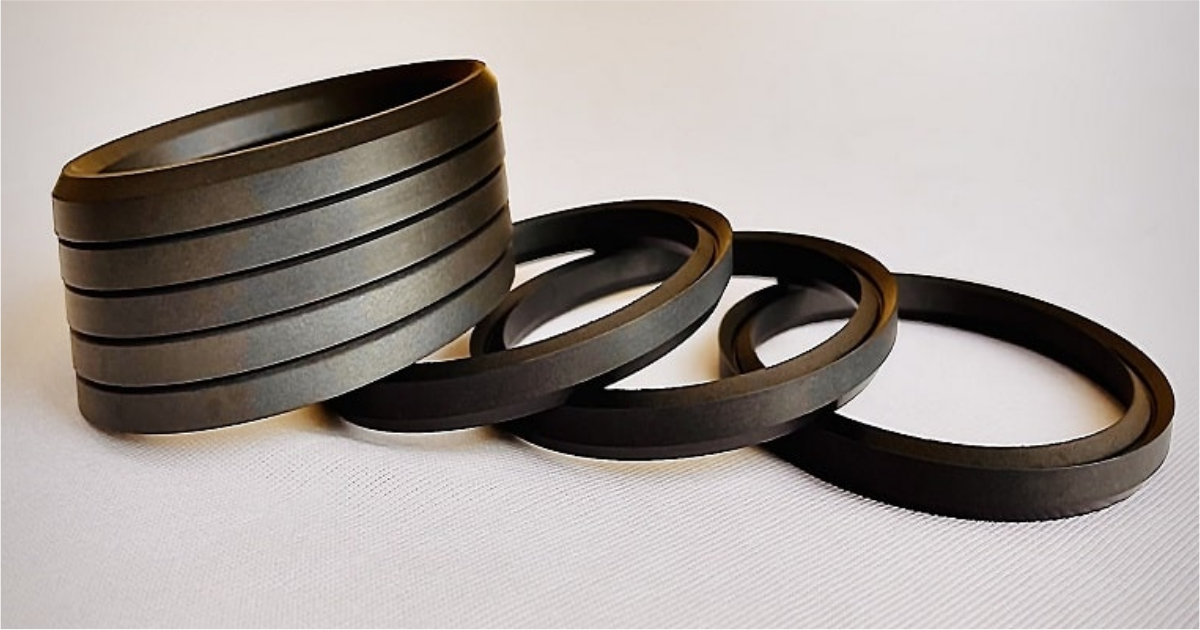
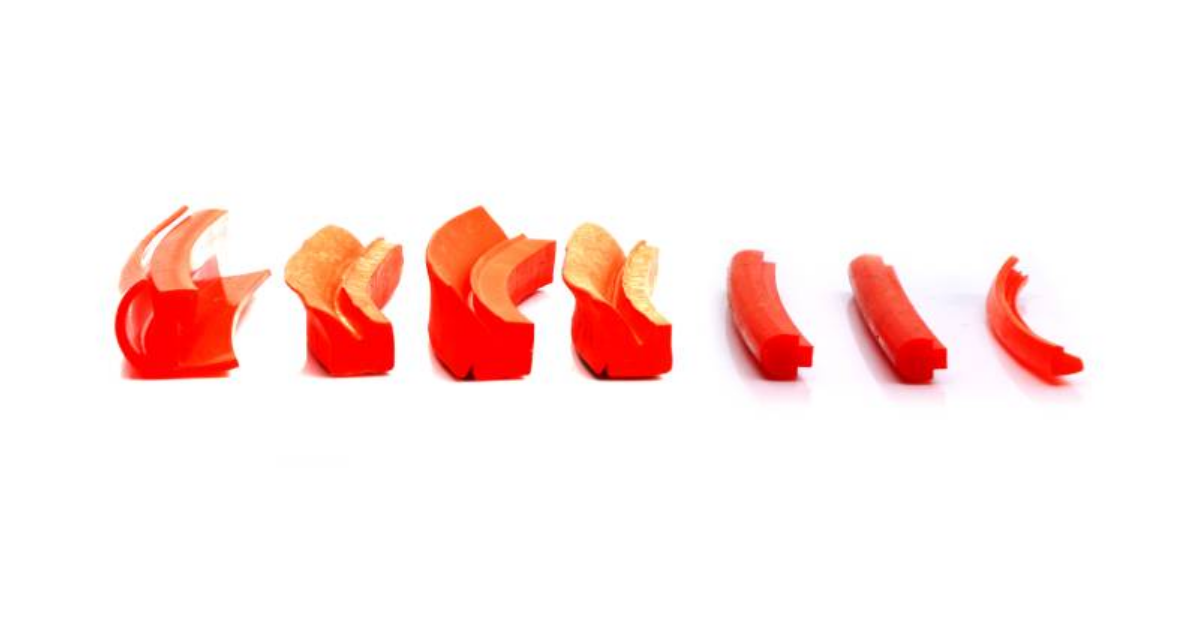
Spring-energized PTFE seals present a different set of manufacturing challenges. Unlike metal seals, these designs rely on a polymer jacket, typically PTFE or a filled variant, combined with a metal spring to maintain sealing force across a wide range of pressures and temperatures.
PTFE is an exceptional sealing material, but it is not forgiving. Its cold flow behavior, low modulus, and sensitivity to machining parameters mean that manufacturing controls must be exceptionally tight. Machining speeds, tooling geometry, and temperature management all influence dimensional stability and surface finish. Improper machining can introduce internal stresses or surface imperfections that compromise seal performance long after the part leaves the shop floor.
Tolerances are another critical consideration. Spring-energized seals often operate with minimal interference, relying on the spring rather than material compression to generate load. This makes dimensional accuracy essential. Small deviations in lip geometry, wall thickness, or groove engagement can significantly alter contact stress and leakage performance.
Spring selection and installation add another layer of complexity. The spring must be matched to the application’s pressure range, temperature extremes, and motion profile. During manufacturing, consistent spring placement and retention are essential to ensure uniform energization around the entire seal circumference. Any variation can result in localized leakage or uneven wear.
When it comes to material selection, filled grades offer improved wear resistance, reduced creep, or enhanced thermal conductivity, but each filler changes machining behavior and performance characteristics. Manufacturing teams must understand how these materials behave during processing and in long-term service.
Cryogenic Applications Raise the Stakes
When cased metal lip seals or spring-energized PTFE seals are destined for cryogenic service, such as LNG, liquid nitrogen, or other liquefied gases, the manufacturing margin for error shrinks even further.
At cryogenic temperatures, metals contract, polymers stiffen, and tolerances effectively change. Any inconsistency introduced during manufacturing can manifest as leakage, loss of preload, or mechanical damage once the system cools. Surface finishes that appear acceptable at ambient conditions may become problematic when materials lose ductility. Springs that are not properly specified or installed may fail to maintain contact force as temperatures drop.
Manufacturing for cryogenic applications therefore requires dimensional control and a deep understanding of how materials behave at temperature. This includes accounting for thermal contraction during forming and machining, maintaining cleanliness to prevent contamination freeze-out, and ensuring repeatability across production runs so performance is consistent from seal to seal.
Why Manufacturing Capability Matters
From the outside, seals may appear to be simple components. In reality, they are precision devices whose performance is inseparable from the processes used to create them. Design intent can be undermined by inadequate tooling, insufficient inspection, or a lack of experience with demanding applications.
This is where an integrated approach combining design expertise with in-house manufacturing capability becomes essential. Manufacturers who understand not just how to produce a seal, but why each step matters, are better positioned to deliver solutions that perform reliably in the field.
At Gallagher Fluid Seals, cased metal lip seals and spring-energized PTFE seals are manufactured with these considerations in mind. Our engineering and manufacturing teams work closely to ensure that material selection, forming methods, machining practices, and inspection criteria align with the realities of the application. This approach is especially critical in LNG and cryogenic environments, where we have extensive experience supporting systems that operate at extreme low temperatures.
Closing Perspective
Whether producing a cased metal lip seal designed to withstand pressure and thermal cycling, or a spring-energized PTFE seal intended for precise, low-leakage performance, success depends on rigorous control, material understanding, and application-specific expertise.
When these elements come together, the result is a seal that performs reliably in service, even in the most demanding environments cryogenic applications can impose.
Are you in need of a seal that can withstand even the most demanding applications? Reach out to Gallagher's engineering team today.