parker
-
May 25, 2017
Article re-posted with permission from Parker Hannifin Sealing & Shielding Team. Original content can be found on Parker’s Blog.
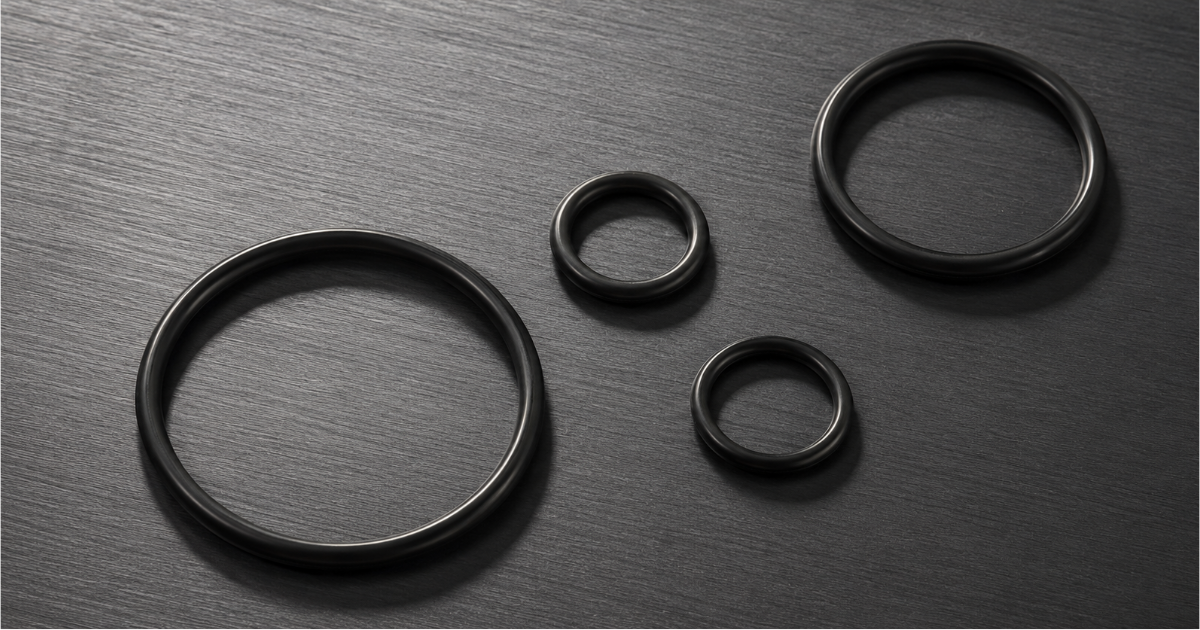
A common question fielded by Parker O-ring Application Engineers is “will a (insert polymer family) O-ring work with (insert chemical mixture).” Not a day goes by where I do not field this question in some way, shape, or form. Which, honestly, makes perfect sense, because chemical compatibility is one of the two most important factors in designing a seal, the other being size. Choosing the right compound can literally make or break your seal and to the general designer, this can be a massive undertaking. There are so many rubber compound families out there and hundreds and hundreds of chemicals, so how can you know whether your seal is going to hold up? Well, today, I hope to give you a simple, and quantitative way to figure that out.
-
April 20, 2017
Article re-posted with permission from Parker Hannifin Sealing & Shielding Team. Original content can be found on Parker’s Blog.
This video provides instructions on how to properly install and uninstall a Parker TechSeal's hollow O-ring. Although appearing simple, the installation process of a hollow O-ring
-
March 09, 2017
Gallagher has long been a top Parker Distributor. The Parker TechSeal Division designs and manufactures custom elastomer products using extrusion, precision cutting, and fabricating technologies. The extruded rubber products can be supplied in multiple forms such as cut parts, long lengths, bulk footage, or fabricated gaskets and seals. The video below provides an insight into TechSeal's day to day operation including manufacturing, material development, and design assistance.
[embed]https://www.youtube.com/watch?v=fmBC3Hbnpjc[/embed]
-
February 09, 2017
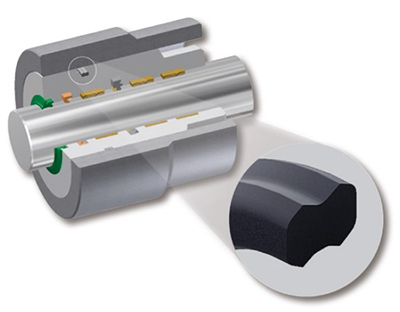
O-ring/back-up ring combinations have long been considered the industry standard for static applications at high pressures. In field use, however, they may show weaknesses with respect to their installation and operation in the application. Standard O-rings are often prone to twisting, while back-up rings are oftentimes not installed in the proper position or damaged during installation. Furthermore, this sealing combination may exhibit deficits when exposed to pulsating pressures and dirt. Parker has developed the HS radial seal profile as a viable alternative to to conventionally used O-ring/back-up ring combinations for static sealing applications at high pressures.
The robust symmetrical seal geometry and use of particularly extrusion-resistant Parker polyurethane compounds not only simplifies installation but also enhances the sealing effect in pulsating pressure conditions. As a result, service life is significantly extended.
-
January 26, 2017
Article re-posted with permission from Parker Hannifin Sealing & Shielding Team. Original content can be found on Parker’s Blog.
This is the second in a series of video blog posts telling viewers
-
October 18, 2016
Article re-posted with permission from Parker Hannifin Sealing & Shielding Team. Original content can be found on Parker’s Blog.
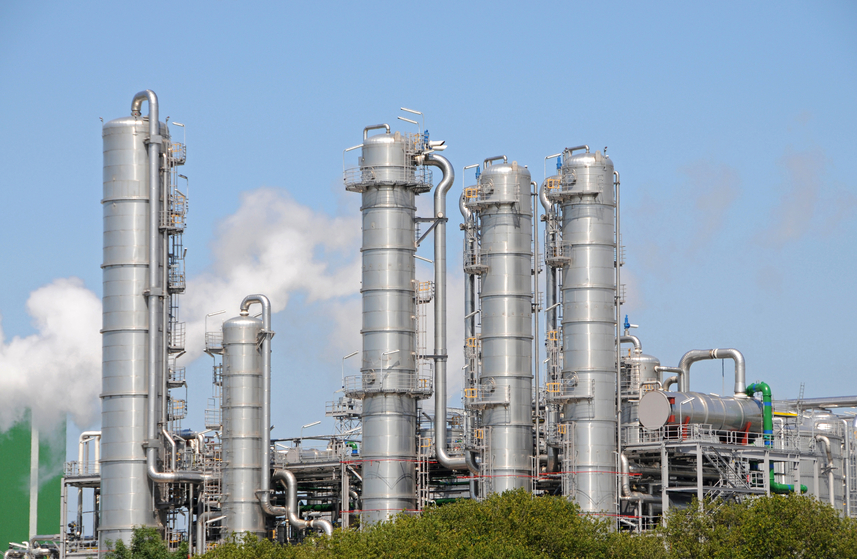
Gallagher Fluid Seals has long been a supplier of seals to the energy, oil and gas industry.
From sealing applications in the renewable energy sector (hydroelectric, solar, wind, and thermal) to more traditional fossil fuel exploration and extraction in extreme environments, we’ve pretty much seen it all.
One of the newer products energy/oil/gas sector products we've been working with is biodiesel. And Parker, one of our most trusted sealing partners, has compounds made specifically for biodiesel.
-
July 12, 2016
This article was originally posted in the Parker Sealing & Shielding Blog and written by Michael Sobeski, Product Engineer, Parker O-Ring Division. For more information on additional products visit the Parker O-Ring Division Website.
Are you designing an enclosure to help keep your critical components or internal fluid free from environmental exposure? The good news is that one of Gallagher’s most trusted partners, Parker Engineered Materials Group, has experience designing seals for use in environmental enclosures and has the material technology necessary to provide the most robust seal to meet your enclosure requirements.
This particular blog will provide an overview of the most important aspects of a good environmental seal, including the importance of good seal design, the certifications that provide confidence in the seal’s capability, and the available seal profiles useful for many different application constraints.