perfluoroelastomer
-
April 07, 2026
Kalrez® Spectrum™ 7275 Double Seal Life
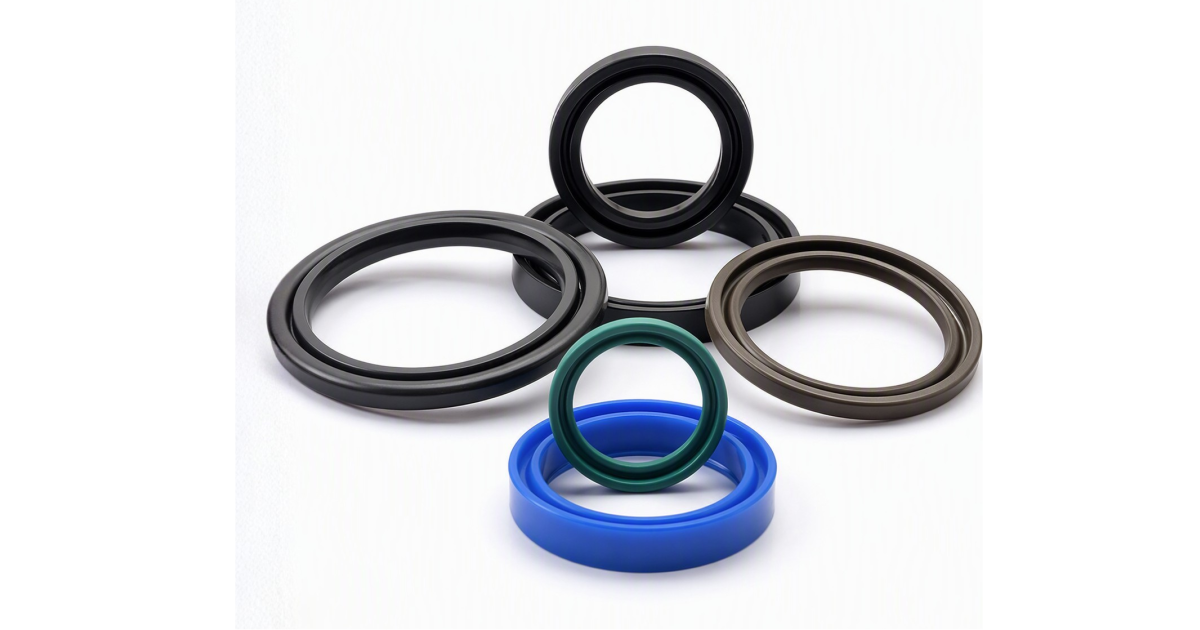
Kalrez Spectrum 7275 is a perfluoroelastomer that provides long life sealing in an array of aggressive chemical environments that typically make sealing difficult: ethylene oxide, acrylic monomers, silanes and chlorosilanes, and strong oxidizers such as nitric acid, chlorine and chlorine dioxide.
It has demonstrated improved chemical and compression set resistance
-
October 27, 2025
White Paper Available!
Check out our Resources Page for dozens of free downloadable content, including Perfluoroelastomers for the Semiconductor Industry, written by Russ Schnell. Below is an excerpt from the white paper discussing thermal process manufacturing. Learn more and download this white paper by following the link below.
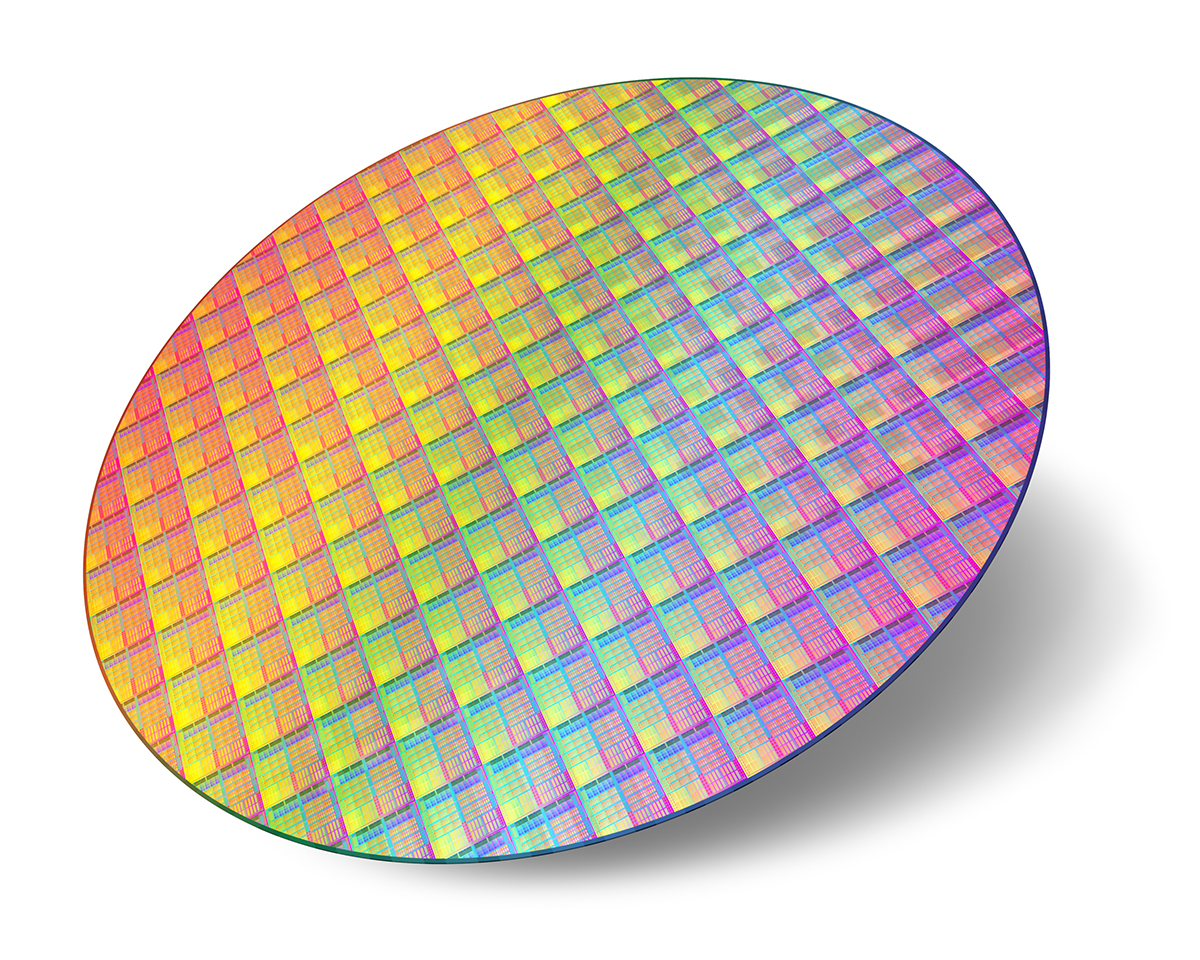
The term “thermal process” covers a fairly wide range of applications. Per the name, these application temperatures are generally higher than plasma processes, ranging up to 300°C. This general term can cover processes including: Sub Atmospheric Chemical Vapor Deposition (SACVD), Metal CVD, Low Pressure CVD (LPCVD), Rapid Thermal Processing (RTP), and Oxidation or Diffusion furnaces. In these applications the wafers and the equipment that surrounds them, are heated to extremely high temperatures. In the case of thermal deposition, the high temperatures aid in the uniformity of the coating thickness.
Rapid Thermal Processing is used to very rapidly heat a wafer up to temperatures of 1000°C or greater for short periods of time. “Rapid Thermal Processing (RTP) can be used to reduce the thermal redistribution of impurities at high temperature…. RTP was originally developed for ion implant anneal, but has broadened its application to oxide growth, chemical vapor deposition, and silicidation.” For oxidation or diffusion furnaces, the applications are different, but still involve high temperatures. For oxidation applications, the procedure involves formation of a thin oxide film on the wafer surface. For diffusion applications, the furnace may assist in silicon dioxide formation on the wafer surface or it may be used to diffuse dopants in the wafer. For these applications, temperatures may range up to 1200°C.
-
February 14, 2025
Kalrez® Parts Extend Service Life for Process Instrument
Aggressive environment was challenging for PTFE
Through permanent in-line fluids immersion, K-Patents’ “PR-01-S” refractometer is exposed to temperatures from –20 ° to +220 °C, pressures from –0,7 to +25 bar, and some 500 process fluids and chemicals, many of which are extremely aggressive. Delicate digital detector circuits and fiber optics in the sensor head are sealed by two gaskets from
-
August 03, 2022
DuPont™ Kalrez® 7375, is an innovative FFKM oil-seal product exhibiting broad chemical and water/steam resistance properties required at high temperatures in chemical process industry applications. Kalrez 7375 parts present excellent compression set resistance, exceptional physical property retention,
-
April 19, 2022
DuPont™ Kalrez® 8575 perfluoroelastomer parts are a white product for “select” etching, ashing/stripping and deposition process applications. It offers low weight loss in Oxygen and Fluorine-Based Plasmas, low outgassing and excellent elastic recovery properties. Kalrez® 8575 has excellent vacuum and long-term sealing performance, good mechanical properties and is well-suited for both static and dynamic sealing applications (e.g., gas inlets, chamber lid seals, slit valve door seals, etc.). A maximum
-
September 17, 2020
Amine treatment is a process typically used for Hydrogen Sulfide removal from natural gas (sour gas). This operation is commonly referred to as gas “sweetening," acid gas removal, or amine scrubbing
Amine units are used all over the world in oil refineries and gas plants to remove hydrogen sulfide (H2S) from a product stream. New environmental standards are more
-
February 21, 2020
As of October 31st, 2022, Kalrez 1050LF parts are no longer being manufactured.
For most applications, DuPont™ Kalrez® Spectrum™ 7375 may be a suitable replacement for 1050LF.
-
April 23, 2019
Article re-posted with permission from Parker Hannifin Sealing & Shielding Team.
Original content can be found on Parker’s Website.
Oil & Gas Sealing Solutions with a Low Temperature FFKM
Technology advancements and new-to-world discoveries are constantly creating a new series of challenges for seal materials in the Oil and Gas industry. In today’s environments, seals are being pushed to perform in temperature, pressure and chemical extremes never before thought to be obtainable with rubber products. Application pressures exceeding 20,000 psi, service temperatures ranging from -40°F to upwards of 500°F, and exposure to some of the most aggressive media on the planet are placing immense amounts of stress on sealing elements. Parker’s FF400-80 compound has been formulated to provide a solution to all of these sealing challenges.
FF400-80 Compound - FFKM Product Features
- Temperature range: -40° to 527°F
- Best-in-Class low-temperature FFKM
- Excellent compression set resistance
- RGD resistant per ISO 23936-2 and TOTAL GS EP PVV 142
- Sour service H2S resistant per ISO 23936-2
- Maintained resilience at high pressures and low temperatures
- Great for use in HTHP applications
Sounds great, but what's the catch?
-
October 02, 2018
Article re-posted with permission from Parker Hannifin Sealing & Shielding Team.
Original content can be found on Parker’s Blog.
Semiconductor FFKM Offers Low Particle Generation AND Extreme Etch Resistance
In the world of semiconductor manufacturing, performance requirements are driving circuit sizes smaller and smaller, causing increased sensitivity to wafer defects. In parallel, the number of manufacturing steps has also increased driving a need for improved tool utilization and leaving more opportunity for these defects to be introduced. Identifying and eliminating the sources of defects is a tedious but necessary process to improve wafer yield.
What impact does seal contamination make?
One very distinct source of defects are the seals within a fab’s tool. Plasmas involved in both deposition, etch and cleaning processes utilize aggressive chemistries that put even high-functioning perfluorinated sealing compounds to the test. Much room for improvement has been left in this industry with many seal materials still posing significant threats to defectivity or downtime despite being designed for low particle generation or etch resistance.
How can Parker ULTRA™ change the industry?
Parker’s UltraTM FF302 Perfluorelastomer has proven success in CVD and etch applications, putting this material at the top of its class. Typically, seal materials for semiconductor applications are optimized for low particulation or extreme etch resistance, however, Ultra FF302 provides both attributes in one material. Laboratory testing shows Ultra FF302 has lower erosion in aggressive plasma chemistries even when compared to today’s leading elastomeric materials (Figure 1 below shows comparison erosion levels of various etch resistant perfluoroelastmers after exposure to O2 plasma).
-
June 12, 2018
Gallagher recently released our High Performance Elastomer Seals for the Instrumentation Industry White Paper, available for download on our site. This was written by Russ Schnell, an Elastomer Consultant contracted by Gallagher Fluid Seals, and a former Senior Application Engineer with the Kalrez® perfluoroelastomer parts business at DuPont. This white paper is now available for download on our Resources page.
Introduction
The term instrumentation covers a wide variety of applications. In the broadest sense, instrumentation may be considered as any equipment used for measurements. This equipment may be in a process stream and include devices such as flowmeters, pressure gages, and inline probes. Data from these devices are used for process control. In automobiles, sensors are used for a variety of applications including measuring the exhaust stream to “tune” the engine to yield maximum performance. Analytical laboratory instruments such as chromatographs and flame ionization detectors are used to determine the composition of samples. Instruments are used in the medical industry for product analysis as well as analysis of blood and urine samples. Of course this is only a partial list of the many applications involving instruments.