Diaphragms Designed to Precisely Fit Different Gas Meter Designs
In the safety-driven natural gas industry, system leaks are a dangerous and costly issue. Residential gas meters and regulators, in particular, are at risk when crucial components such as diaphragms are not optimally designed and manufactured for the environment in which they will work.
An advanced polymer technology, trademarked by Freudenberg Sealing Technologies’ Metflex Precision Moulding organization, addresses these challenges with fiber-reinforced materials that improve the reliability, functionality and longevity of critical gas system components. Diaphragms made using Metflex Dispersed Fibre Technology (DFT)™ offer better sealing performance, longer flex life, improved low temperature resilience and enhanced design capabilities than standard diaphragms made from fabric coated polymers. To date, more than 40 million DFT diaphragms have been used in medium and low-pressure application, primarily in North America but also in other regions of the world.
Safety concerns and costs associated with gas leaks and equipment failures
Sustainable Liquid Strategies for Modern Data Centers
As digital transformation drives surging demands for cloud, AI, and high-performance computing, data centres must deliver at new levels of efficiency, scalability, and sustainability
What Cryogenic Testing Actually Proves (and What It Doesn’t)
Cryogenic testing carries a certain authority. When a component survives exposure to extreme cold, it’s tempting to treat that result as definitive proof of performance in service. Passed the cryo test? Good to go.
In reality, cryogenic testing is far more nuanced. While it can provide critical insight into material behavior and system response at low temperatures,
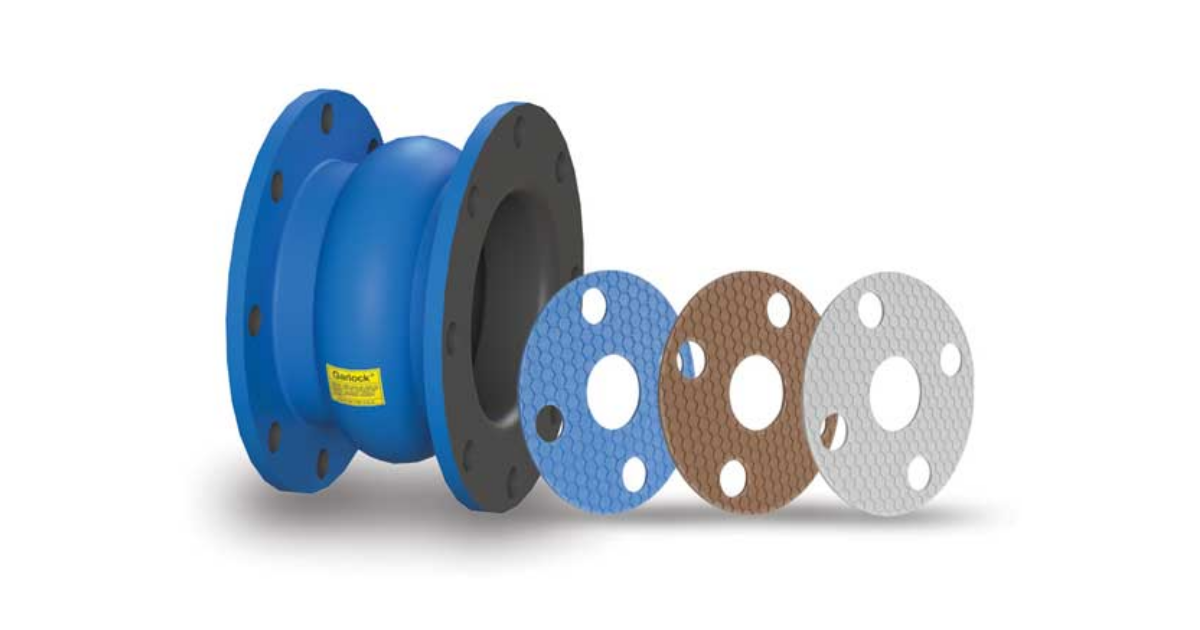
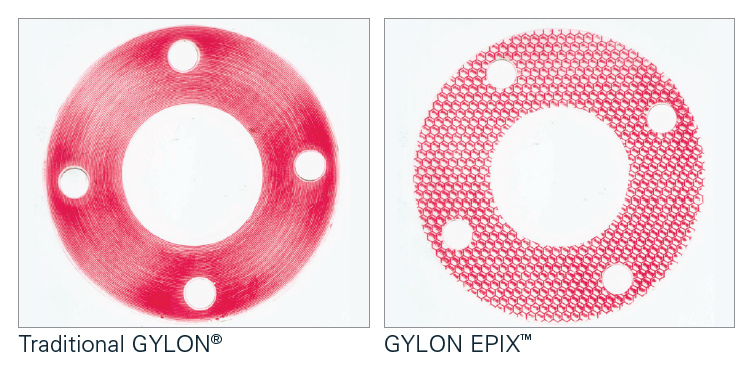
GYLON EPIX™ is a newly developed family of PTFE gaskets. It is manufactured using a patented, profiled surface based on our proven Fawn, Off-White, and Blue GYLON® to create highly conformable materials for optimum sealing performance.
THE EPIX™ DIFFERENCE
GYLON EPIX™ and a traditional full face gasket were installed in a 3”-150# flat face flange at 120 ft.lbs. with pressure sensitive film. The film revealed that the traditional material saw heavier loading-near and around the bolts, and lighter loading at the points furthest from the bolts. The GYLON EPIX™ was able to distribute the load more evenly and prevent the low loading phenomenon.
The pressure sensitive film was then analyzed with special software that translate the various shades of red into a full color spectrum that provides a better visualization of the stresses that were developed on each of the gaskets. Again, while the traditional gasket saw areas of lower stress (green and blue areas), the hexagonal pattern in the GYLON EPIX™ concentrated and distributed the stress more evenly across the entire gasket.
Vesconite Stern Tube Bearing Chosen During Tanker Repair
In the late 1990s, a large tanker sustained hull and machinery damage after running aground near the entrance to a South American port channel. Following the recovery of the vessel and the removal of remaining cargo, it was taken to a nearby yard for extensive repairs.
As is common in salvage and repair operations of this nature, the ship’s stern tube and rudder assemblies were subject to
Measuring an O-Ring is quite simple when you have the right tools at your disposal. All that is required is a clean, level surface; an o-ring; and a measuring device such as a caliper or other measuring tools such as cones, gauges, and size charts.
Directions to Measure an O-Ring
To measure an O-Ring, following the directions below:
Place your o-ring on a flat surface clean of debris.
Fel‑Pro 2912 vs. Gallagher Fluid Seals G2 Crankshaft Seals: A Superior Solution for Leak Prevention
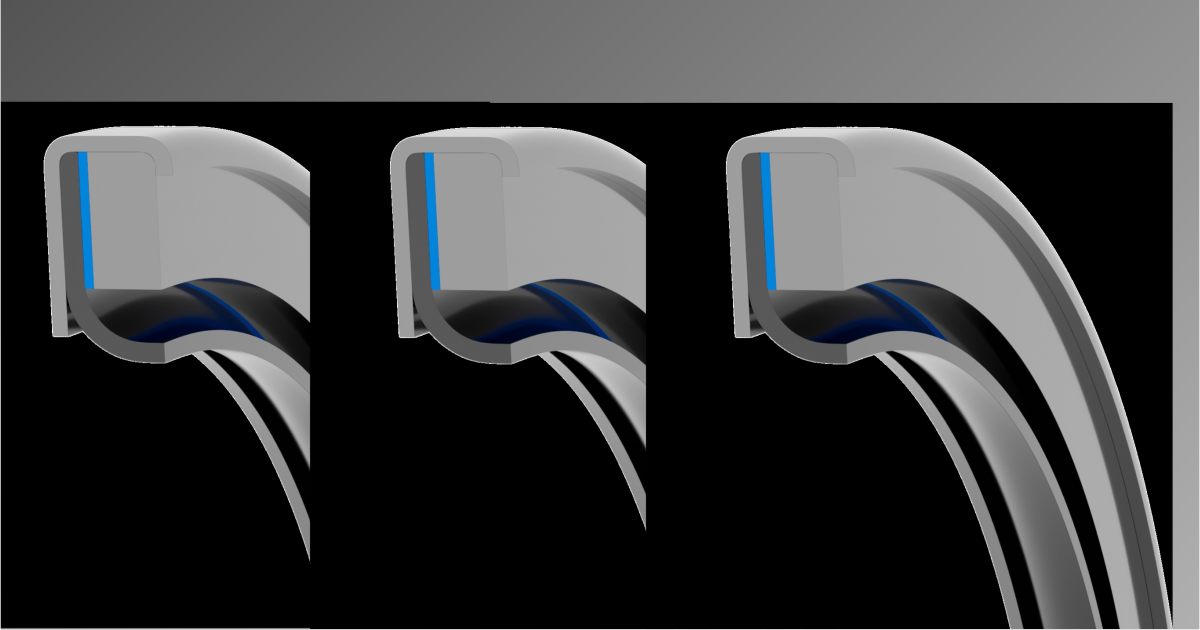
When it comes to crankshaft sealing, performance and reliability are non‑negotiable. A failed crankshaft seal can lead to oil leaks, contamination, downtime, and costly repairs, especially in demanding industrial and heavy‑duty applications.
For years, the Fel‑Pro 2912 and 2918 crankshaft seals have been the commonly used option. However, advancements in materials,
Medical ventilators are mechanical devices that essentially breathe for a patient with damaged lungs. They force air into the lungs and draw it out, augmenting or even replacing the natural functions provided by the movement of the diaphragm and the inflation/deflation of the lungs themselves. These devices can supply room air, pure oxygen, or nearly any ratio of the two to the patient, depending on health needs.
What makes a good seal selection in this environment?
First, seals within the device must be compatible with air and pure oxygen. They should not harden or crack, nor should they contain a significant amount of volatile matter that can evaporate out of the seal where it could be inhaled by the patient or potentially catch fire in a concentrated oxygen environment. Further, it should be assumed that any air that contacts the seals will likely end up in the patient’s lungs. As a result, it's strongly recommended using seal materials that have passed USP <87> Class VI testing for any seals used in a medical ventilator.
Parker O-Ring & Engineered Seals Division has already helped several customers ramp up production of critical medical equipment with supplying the right materials and O-rings for the application.
These application requirements limit the recommended compounds to only a small handful.
Recommended compounds suitable for use in ventilators